The pentagon model

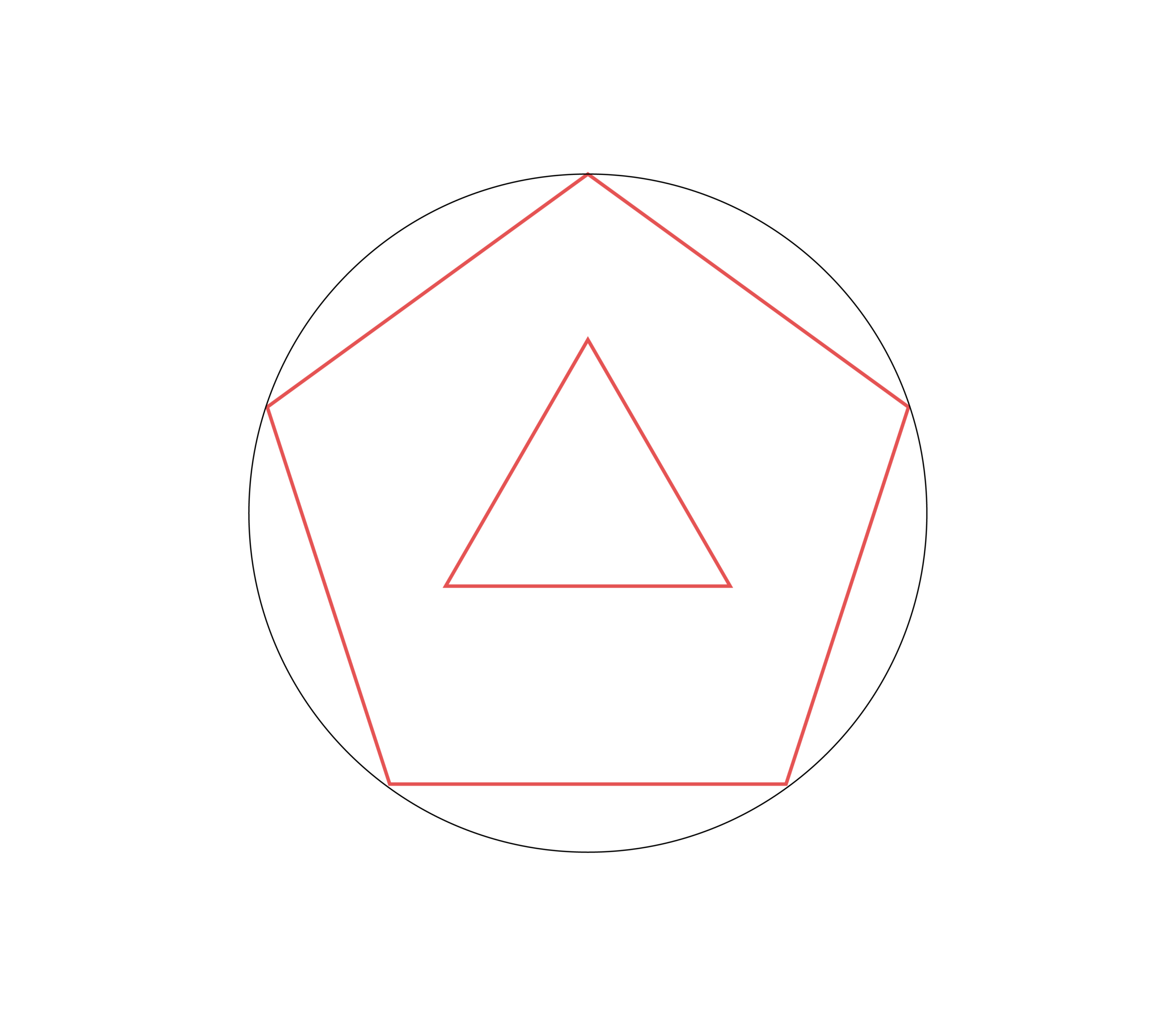
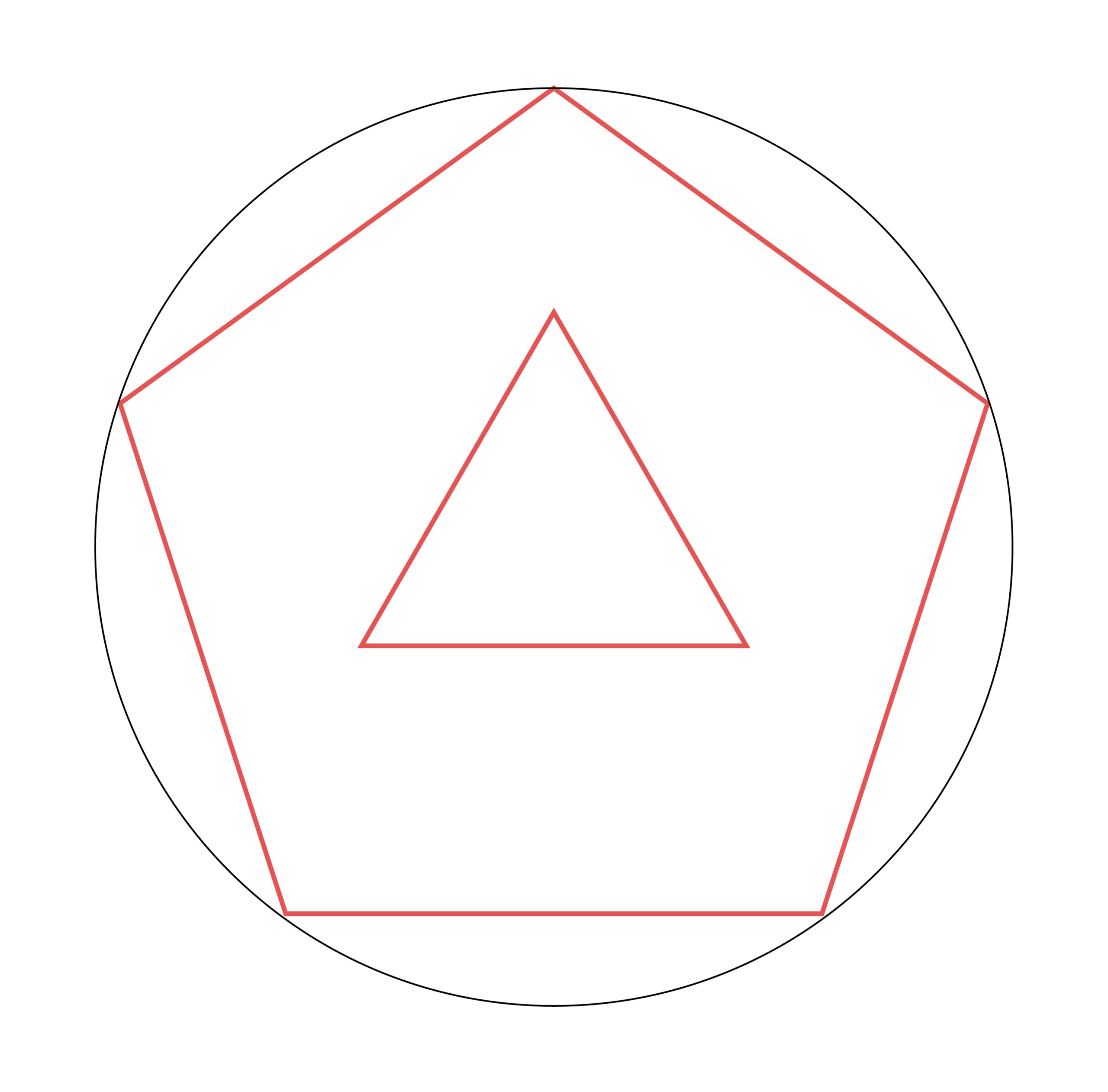
The Arroyo Pentagon is a model developed by Professor Rafael Pérez Arroyo, PhD, in 2021, that enables the systematic analysis of the identity of a designer and luxury fashion brand.

THE IDENTITY PENTAGON

The model organises identity variables into five complementary dimensions that enable us to understand a brand’s structure and underlying logic: its origins, the designer’s creative vision, its aesthetic, its narrative, and the way in which it manifests itself and takes shape in the market and at the point of sale.

This approach makes it easier to analyse existing brands, compare identities, identify strengths and weaknesses, construct coherent narratives, and design collection and communication strategies aligned with the brand’s identity.

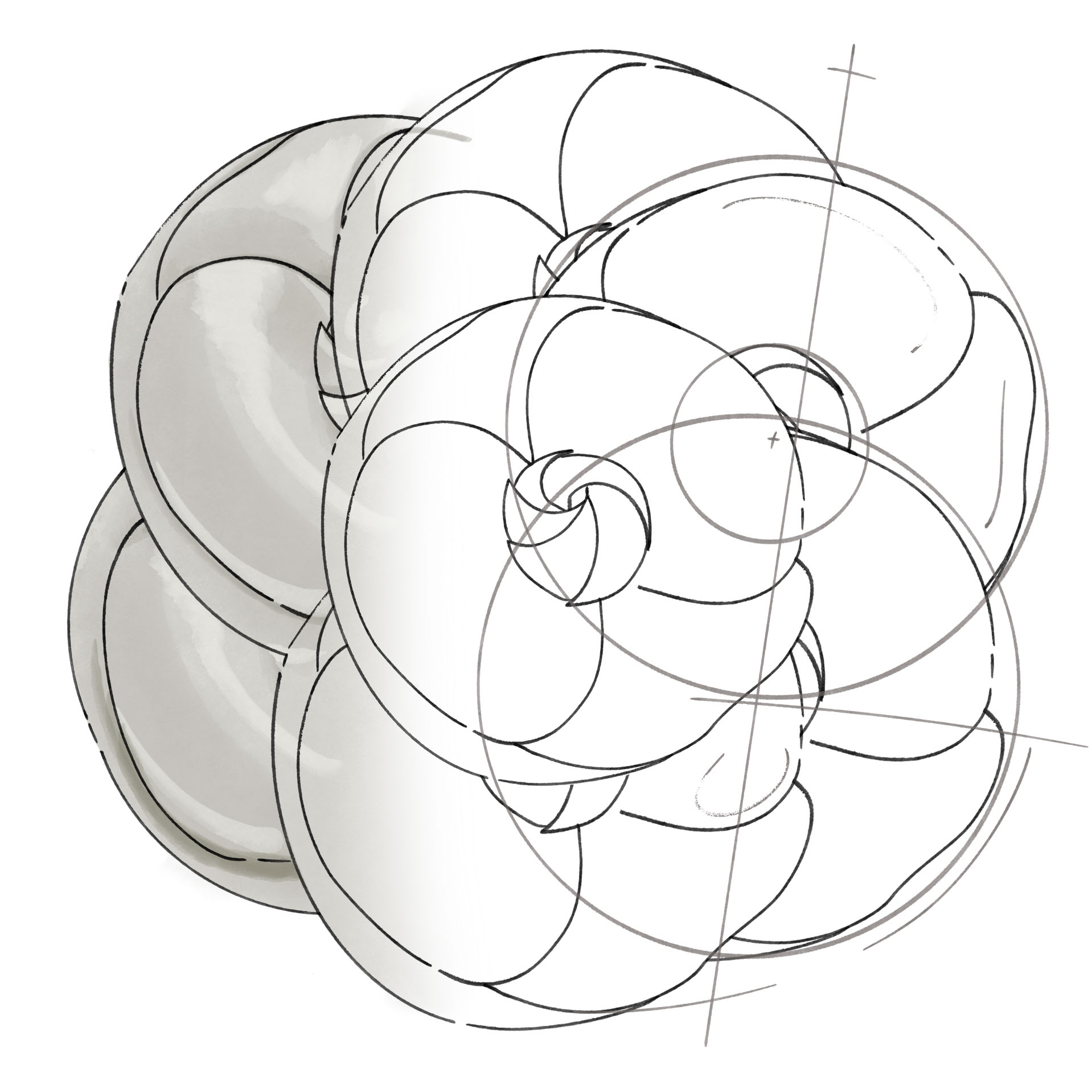
Chanel, Camelia (1933). Ilustration: Ana Fernández

The identity of a fashion and luxury brand is the result of a set of established ethical, aesthetic and stylistic dimensions, rich in symbolism and intangible meanings that make it unique and recognisable over time.

Rafael Pérez Arroyo, PhD.

Dimension 1

HISTORICAL IDENTITY AND ETHICS

The brand’s origins, its evolution and the values that have shaped its journey.

  • The founder’s unique story
  • Personality
  • Ethical values and cultural influences
  • Sustainability
  • Traditional craftsmanship
  • Authenticity
  • Archetype
  • Diagram: timeline

Dimension 2

DESIGNER IDENTITY

Creative vision and influences from artistic movements.

  • Type of designer
  • Education
  • Artistic influences
  • Diagram: aesthetic layout

DimensiOn 3

AESTHETIC AND STYLISTIC IDENTITY

The brand’s permanent aesthetic codes and iconic designs.

  • Silhouettes
  • Shapes
  • Colour palette
  • Fabrics
  • Iconic designs
  • Emblematic collections
  • Logo (design and typography)
  • Packaging

DimensiOn 4

VISUAL IDENTITY AND NARRATIVE

The story the brand builds through its communication and images.

  • Photography / photographers – F. Films
  • Logo integration
  • Models / celebrities / ambassadors
  • Fashion shows (set design)
  • Narrative
  • Writing tone
  • Copy

DimensiOn 5

IDENTITY OF TOUCHPOINTS

The physical spaces, proprietary media and experiences through which the brand is expressed.

  • Location
  • Architecture / architects
  • Interior and exterior
  • Visual merchandising
  • Experience
  • Museum exhibitions
  • Pop-ups
  • Websites

Symbolic Emotion

How do others see me through the brand?

emotional identity

sensory emotion

How do I feel about the brand and what kind of pleasure does it give me?

lifestyle emotion

How does it help project my lifestyle?
Classic | Modern | Romantic | Natural

THE STORY

  1. Conveying meaning
  2. Evoking emotion
  3. Generating desire

DimensiOn 2 AND 3

COLECTION STRATEGY

  1. Title
  2. Concept
  3. Purpose of the collection
  4. Fabrics, materials, colour palette
  5. Number of pieces and accessories
  6. Scenic space
  7. Season and date

DimensiOn 1 AND 4

COMMUNICATION STRATEGY

  1. Campaign title
  2. The narrative
  3. Editorial channels
  4. Social media
  5. Advertising
  6. Fashion shows and events
  7. Brand ambassadors
  8. Influencers
  9. Authenticity
  10. Collaborations in films and TV series

Dimensión 1

IDENTIDAD HISTÓRICA Y ÉTICA

El origen de la marca, su evolución y los valores que han definido su trayectoria.

  • Historia única del fundador
  • Personalidad
  • Valores éticos y fuentes culturales
  • Sostenibilidad
  • Tradición artesanal
  • Autenticidad
  • Arquetipo
  • Diagrama: línea temporal

Dimensión 2

IDENTIDAD DEL DISEÑADOR

La visión creativa y las influencias de movimientos artísticos.

  • Tipología de diseñador
  • Formación
  • Influencias artísticas
  • Diagrama: trazado estético

Dimensión 3

IDENTIDAD ESTÉTICA Y ESTILÍSTICA

Los códigos estéticos permanentes y los diseños icónicos de la marca.

  • Líneas
  • Formas
  • Paleta de colores
  • Tejidos
  • Diseños icónicos
  • Colecciones emblemáticas
  • Logotipo (diseño y tipografía)
  • Packaging

Dimensión 4

IDENTIDAD VISUAL Y NARRATIVA

El relato que la marca construye a través de su comunicación e
imágenes.

  • Fotografía / fotógrafos – f. Films
  • Integración del logotipo
  • Modelos / celebridades / embajadores
  • Desfiles (escenografía)
  • Narrativa
  • Tono de escritura
  • Copy

Dimensión 5

IDENTIDAD DE LOS PUNTOS DE CONTACTO

Los espacios físicos, medios propios y experiencias donde la marca se manifiesta.

  • Localización
  • Arquitectura / arquitectos
  • Interior y exterior
  • Visual merchandising
  • Experiencia
  • Exhibiciones en museos
  • Pop-ups
  • Webs   

Emoción simbólica

¿Cómo me ven los demás con la marca?

Identidad
emocional

Emoción sensorial

¿Cómo me siento con la marca y qué tipo de placer obtengo?

Emoción de estilo de vida

¿Cómo ayuda a proyectar mi estilo de vida?
Clásico | Moderno | Romántico | Natural

EL RELATO

  1. Transmitir significados
  2. Emocionar
  3. Generar deseo

Dimensión 2 y 3

ESTRATEGIA DE COLECCIÓN

  1. Título
  2. Idea conceptual
  3. Propósito de la colección
  4. Tejidos, materiales, paleta
  5. Número de piezas y accesorios
  6. Espacio escénico
  7. Temporada y fecha

Dimensión 1 y 4

ESTRATEGIA DE COMUNI-CACIÓN

  1. Titulo de la campaña
  2. El relato
  3. Canales editoriales
  4. Redes sociales
  5. Publicidad
  6. Pasarelas y eventos
  7. Embajadores
  8. Influencers
  9. Autenticidad
  10. Colaboraciones en cine, series.